

What Questions Should Project Teams Ask When Procuring Explosion‑Proof Accessories?
A problem at hand: misaligned expectations and hidden variables
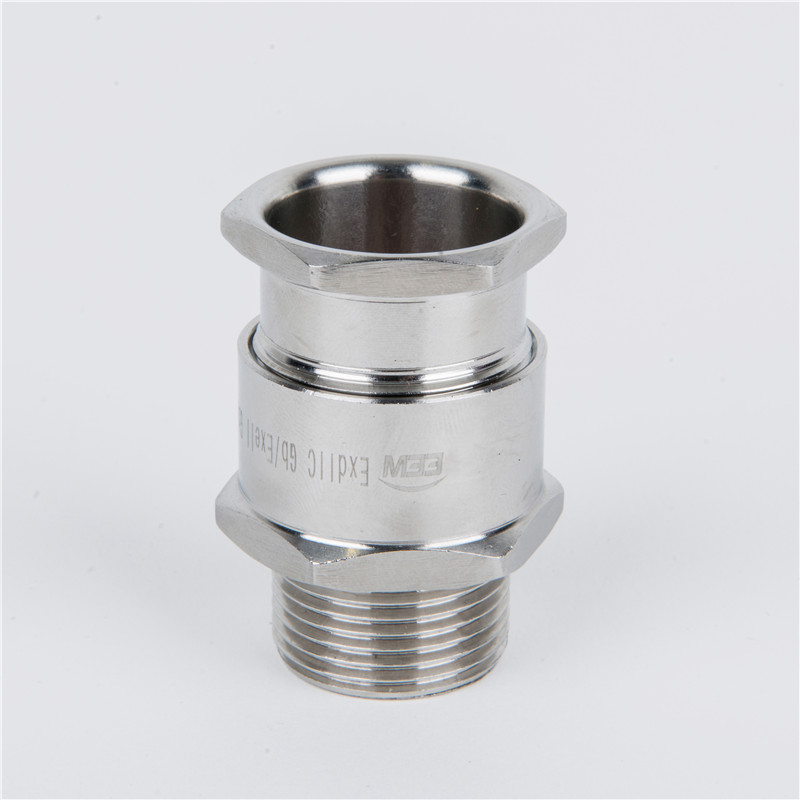
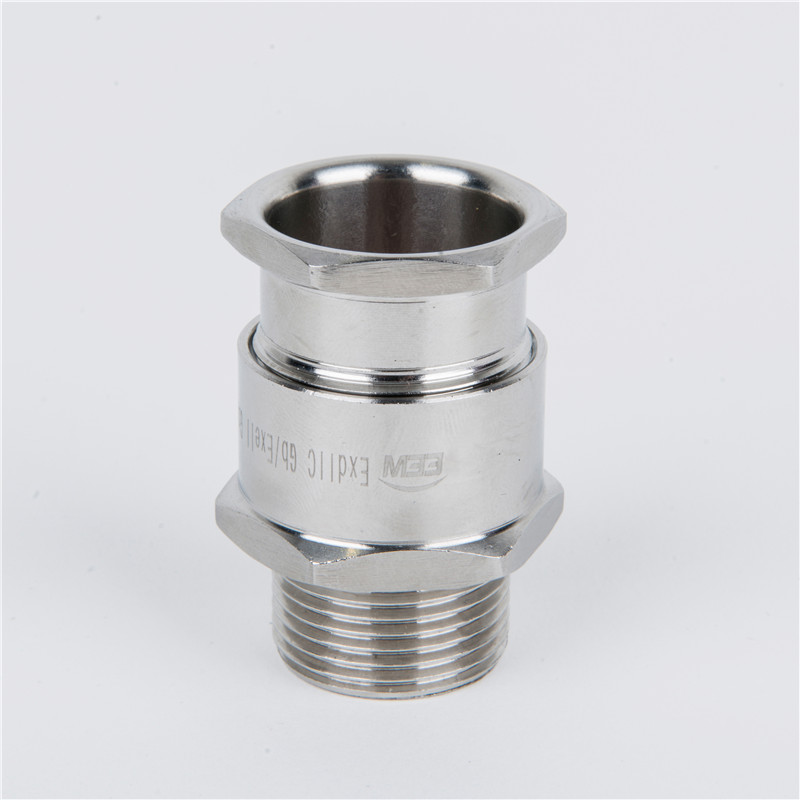
Projects falter when procurement and engineering speak past one another; the question is not technical minutiae but alignment. Begin by asking suppliers to clarify their documentation and delivery promises for an explosion proof cable gland, and then require the same clarity for bundles or families of parts, for example when requesting information about various explosion proof cable glands. This single act transforms vague needs into verifiable commitments and exposes where stakeholders must coordinate.
Who belongs at the procurement table?
Gather procurement, the project engineer, operations, the safety or HSE representative, quality assurance, and the vendor’s commercial and technical contacts. Include logistics and warehouse leads when lead time and storage will affect sequencing. The problem-driven logic insists each discipline states what it must verify before approval: procurement cares about terms and delivery; engineering about fit and documentation; operations about maintainability and spares; HSE about compliance verification handled by qualified specialists.
High-level questions to pose to suppliers and to your engineer
Ask suppliers to describe what documentation they will provide, how traceability is handled, and what their standard lead times and spare-parts policies are. Request clarity on warranty scope, after‑sales support channels, and escalation paths for nonconformities. Ask engineers and safety specialists which verification tasks they will own and which they expect the supplier to deliver. Frame each inquiry as a question to be answered by the responsible party rather than as an assumed capability.
How to compare offers without slipping into technical weeds
Compare proposals on common commercial and documentary grounds: delivery timelines, packaged scope, spare-parts kits, warranty terms, and documented quality control or factory acceptance approaches. Seek comparable baselines so bids are judged on like-for-like factors. Favor transparency: any vendor that cannot state what documents they will hand over, or how they will manage changes, creates downstream ambiguity.
Common procurement pitfalls to watch for
Do not let single-sourcing, vague specifications, or absent timelines become permanent project risks. Beware of proposals that omit traceable documentation or that leave responsibilities for verification undefined. Avoid accepting ambiguous warranty language or unclear spare-part lists. Each of these gaps forces engineers and project managers into reactive problem-solving later on.
Coordination checklist for project teams
Define responsibility matrices early; set document handover milestones; require a supplier statement of deliverables; agree on acceptance and inspection interfaces to be verified by qualified personnel; lock in lead times and contingency plans for long-lead items; confirm spare-part packages and long-term support intent. Record these agreements in procurement documents and project meeting minutes so the project’s momentum is sustained by contractible expectations.
Synthesis: the value of clear procurement posture
Clarity in questions and clarity in answers avert costly ambiguity. When teams insist on documented deliverables, explicit responsibilities, and transparent commercial terms, suppliers are placed where their commitments can be measured. That clarity—evident in how some manufacturers present documentation and support—reduces friction between stakeholders and makes procurement a predictable phase rather than a recurring crisis for sunleem.