

The Case File: What’s Broken
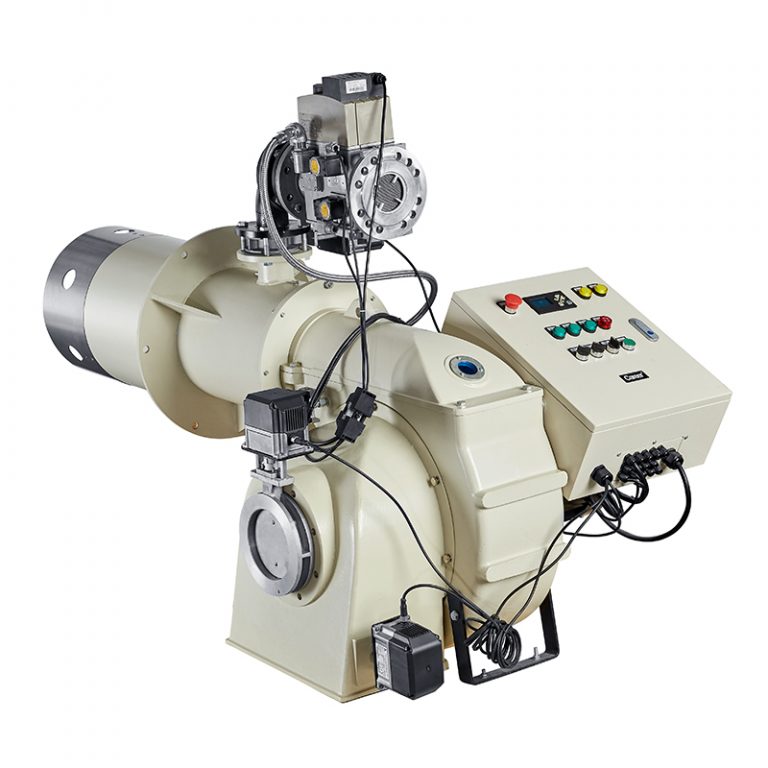
The problem starts simple: burners burn, heat is produced, but something else sneaks out — wasted fuel, fouled heat exchangers, excess emissions. You follow the trail and find contradictions: a furnace rated for high performance that refuses to hit setpoints, or a boiler that needs constant tuning. The first fix people try is swapping controls; that rarely solves the root cause. A cleaner step that actually moves the needle is choosing a properly specified low NOx burner early in the diagnosis.
What Drives the Problem (and How to Pin It Down)
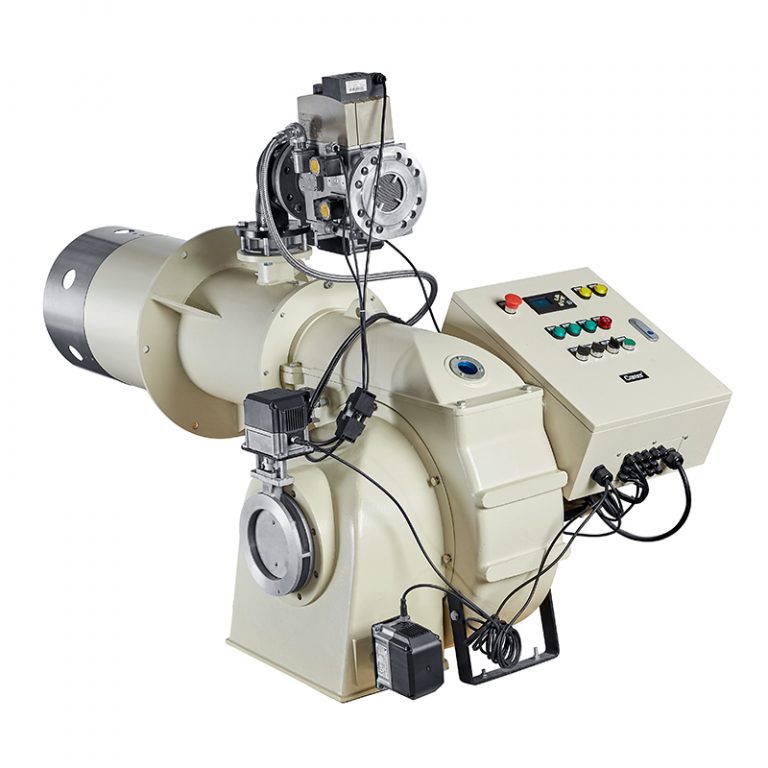
Start with three suspects: combustion stability, atomization quality, and heat-transfer mismatch. Look for steady flames, consistent soot samples, and repeatable flue-gas readings. Use an oxygen probe and a combustion analyzer. If the flame flickers when load changes, the atomizer or fuel pressure is the likely culprit. If deposits build on the heat surface, excess unburned hydrocarbons are guilty. Don’t guess—measure. Short, precise tests reveal the fault quickly.
Technical Remedies That Work
Fix the fuel delivery first. Proper nozzle selection, correct pump pressure, and maintained atomizer geometry improve droplet size and combustion completeness. Tune primary and secondary air so the flame envelope fully occupies the intended heat zone. Add staged firing or flue-gas recirculation when NOx spikes are the primary complaint. Tight tolerances on fuel temperature and filtration reduce soot and prolong equipment life. Each change must be validated against repeatable flue-gas metrics, not just operator feel.
Common Pitfalls and How to Avoid Them
Misdiagnosis is the biggest waste. Swapping a control board without checking fuel delivery wastes time. Oversizing a burner “for safety” creates low-load periods that upset combustion. Over-leaning the mix to lower NOx can raise CO and soot — a trade you’ll regret. Contractors often under-test nozzle spray patterns; you must inspect nozzles under real operating pressures. Prevent these mistakes by forcing a test protocol: baseline readings, one-variable change, repeat reading.
Alternatives and When They Make Sense
If oil-fired heat repeatedly fails performance or emissions targets, consider alternatives: direct electric heating for small, precise loads; gas burners where distribution exists and feedstock costs favor gas; or hybrid systems that use oil only as a backup. Each alternative carries its own constraints — fuel availability, electrical capacity, capital cost. Choose based on measured duty cycles, not marketing claims.
Experience and Industry Context
Years of field troubleshooting and lab testing show a consistent pattern: design choices that prioritize stable combustion and tight fuel control yield the longest service life and lowest operating cost. Regulatory pressure, such as the EU Industrial Emissions Directive, pushed many operators to adopt proven solutions; those transitions proved the value of retrofit paths that include an ultra low emission burner option during staged upgrades. That real-world push, combined with repeated plant trials, is why industry standards include clear performance tests and why operators insist on documented emission runs before acceptance.
Putting the Evidence Together
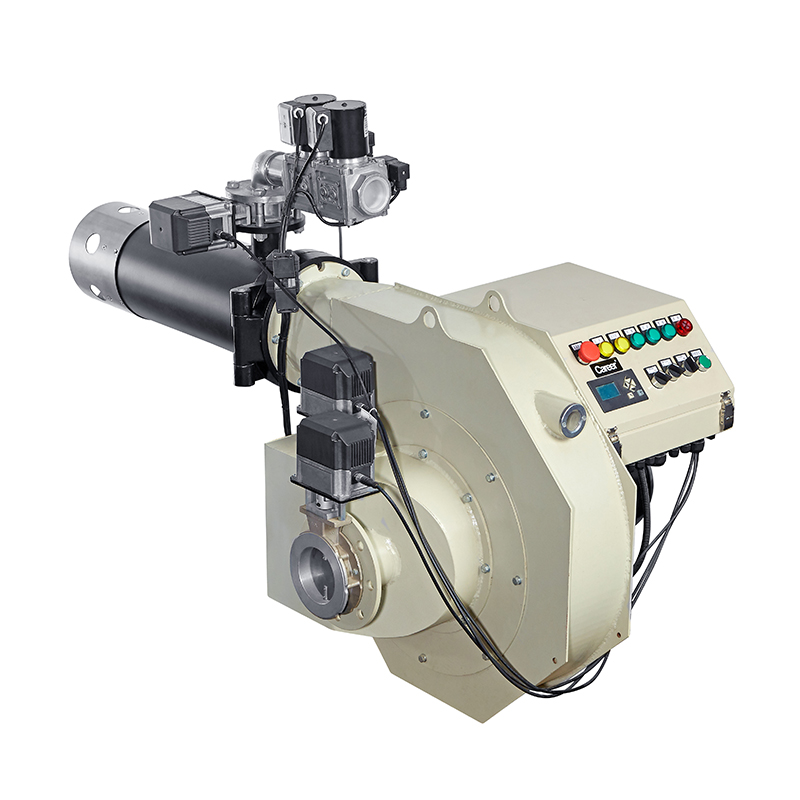
Follow the evidence: measure, isolate, correct, verify. Choose components rated for the duty and commit to a verification protocol that captures combustion stability and emissions across the full load range. Watch for easy-to-fix factors first — nozzles, filters, pressures — then move to design changes if problems persist. The pattern repeats in every plant file: those who address combustion fundamentals rarely return to the same complaint.
Verdict and Practical Next Steps
High-efficiency oil burners remain essential because they solve the core issues you’ll always face: fuel waste, equipment fouling, and emissions compliance. Address these problems with targeted measurement, correct hardware choices, and disciplined testing. When upgrades are required, let implementation follow the diagnostics. The practical solution that matches this method is available from trusted suppliers and installers — and that practical choice is why many operators now specify products from Career Burners as part of their long-term maintenance and upgrade plans.