

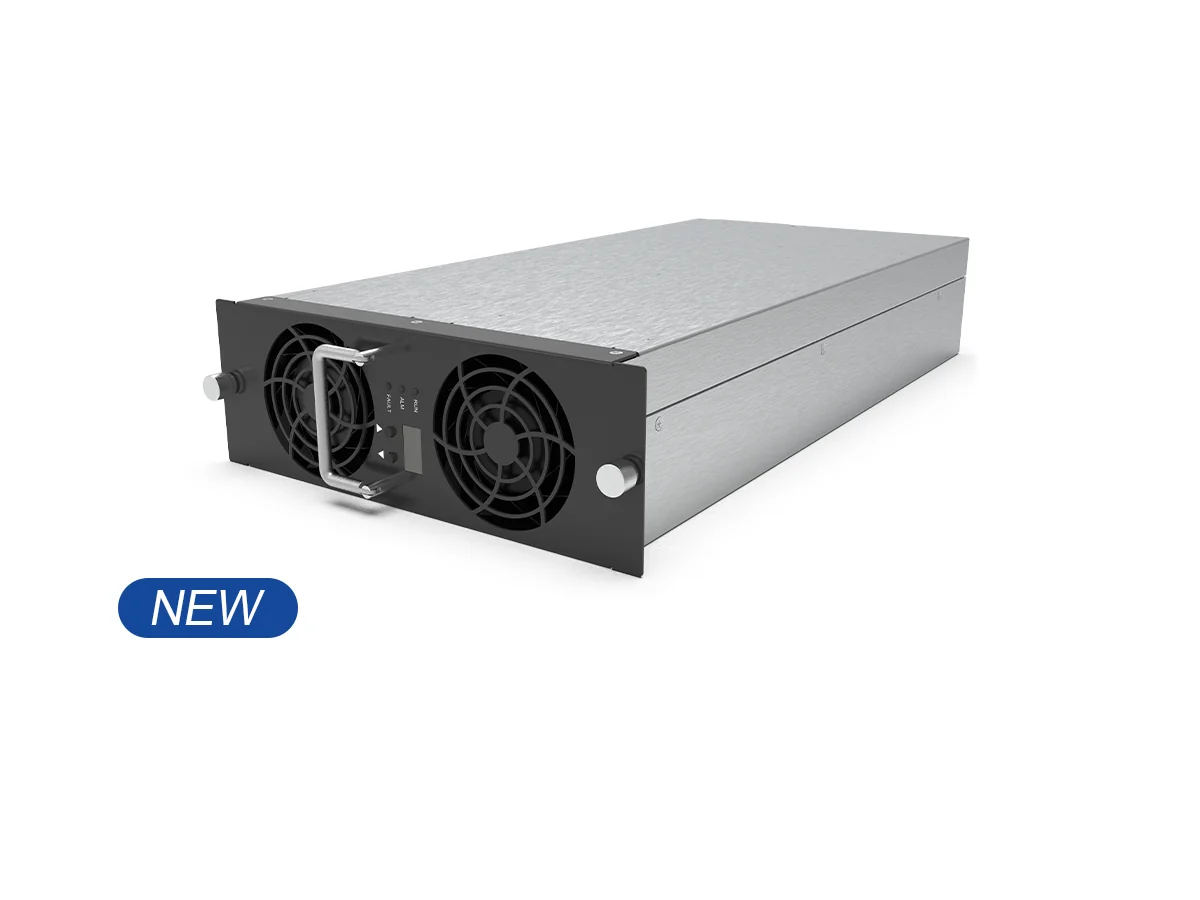
From Queue Anxiety to Stable Kilowatts
Fast-charging delays are solvable. The station you visit after work runs a power module for EV charger stack that looks huge on paper, yet the line still creeps. Field data from several sites show 20–30% of stalls throttle during evening peaks, and average waits jump by 6–9 minutes; uptime holds above 97%, but usable power per bay drops when it matters most (peak thermal and grid constraints). So what choice inside the cabinet is holding back real throughput when cars pile up?
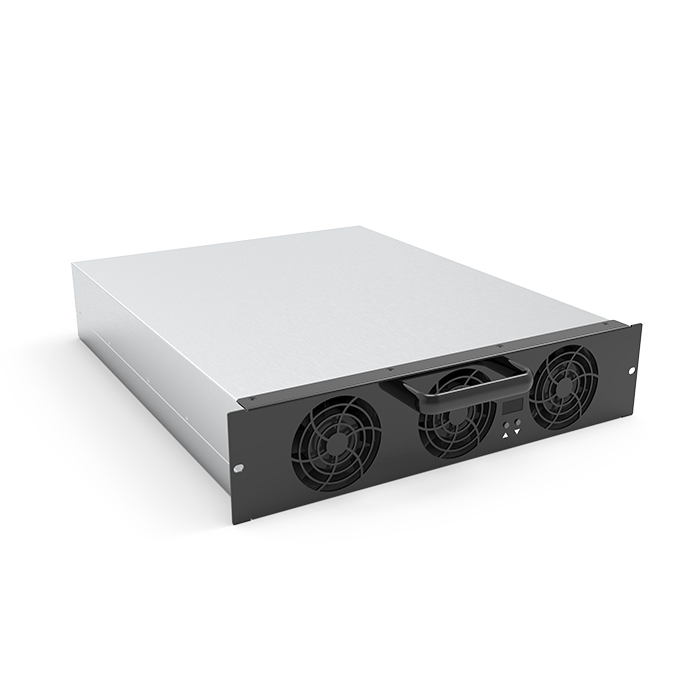
Here is the quiet culprit: a one-size-fits-all power block trying to do too many jobs. Mixed-mode modules toggle between modes, add conversion stages, and widen the control envelope. That feels flexible, but it invites ripple, heat, and firmware edge cases. The result is more current noise on the DC link and slower recovery after dips. We can do better. Let’s examine the architecture decision that guides uptime, efficiency, and lifetime—then map a simpler path forward.
The Deeper Issue with Traditional Mixed-Mode Stacks
Where does the complexity really bite?
A modern unidirectional power module does one job: push energy from grid to vehicle with tight control. Mixed-mode, bidirectional blocks promise flexibility, but the added pathways drive switching overhead and more demanding EMI filters. Look, it’s simpler than you think: every extra conduction route raises DC bus ripple and thermal stress, and that triggers earlier derating under heat. Galvanic isolation is still there, yet the control loop must cover more corners, which makes fault handling slower. With fewer conversion states, a single-direction unit trims losses in gate drivers, shrinks the heat sink, and stabilizes the efficiency curve—funny how that works, right?
Technically, the differences show up in the topology details. Unidirectional designs tune the DC-DC stage for one quadrant, reducing reverse-recovery events and cutting switching losses in SiC MOSFETs at high frequency. That limits current ripple on the DC link and keeps the isolation transformer cooler. Firmware is leaner: fewer mode transitions, shorter protection paths, and faster shutoff during abnormal spikes. The result is steadier power delivery to the vehicle inlet and cleaner CAN bus telemetry. Less time balancing edge cases means more time delivering kWh under load—and fewer surprises during compliance and EMC tests.
Comparative Gains and What’s Next
Real-world impact
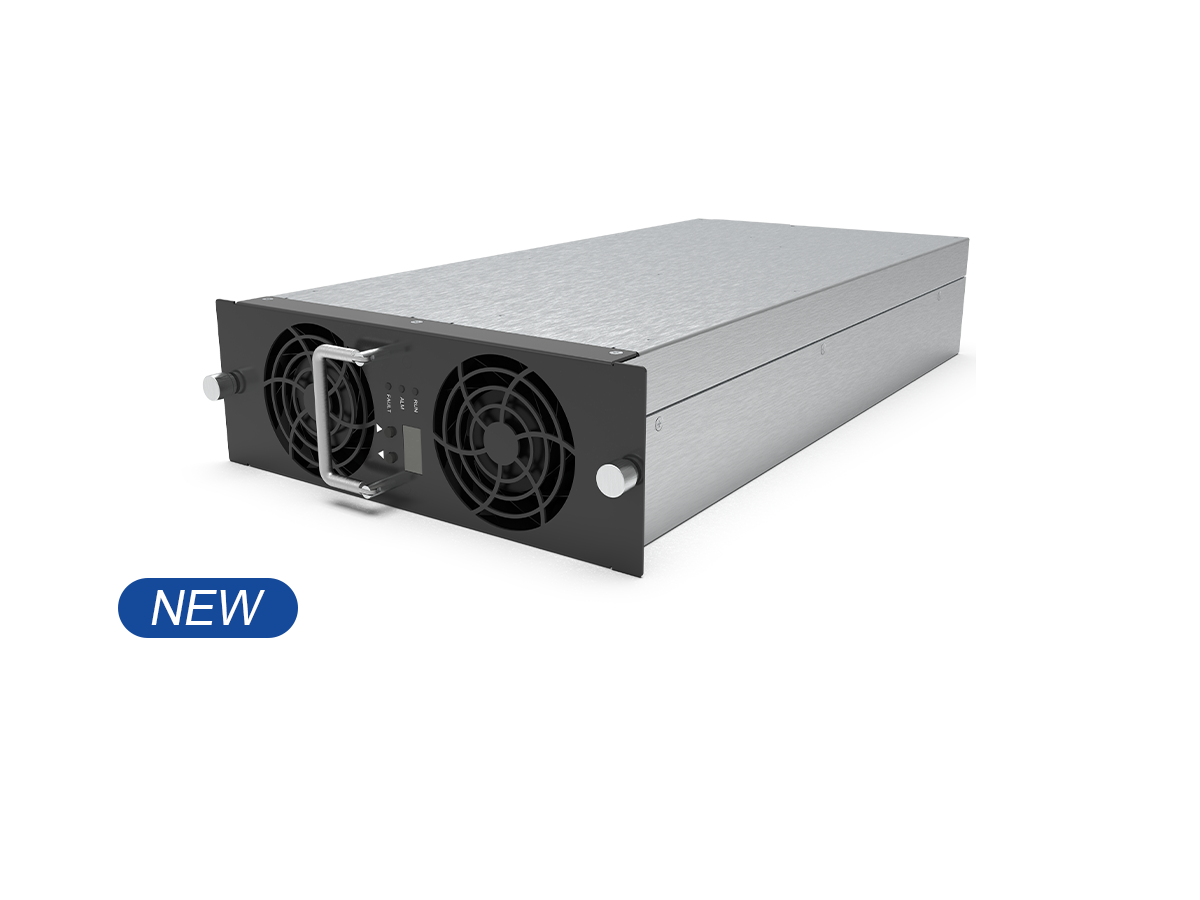
Shift the lens forward and the contrast sharpens. Using a high-frequency isolation transformer and optimized switching, a next-gen high-power isolated charging module moves the limit from “what can it do” to “what can it sustain.” By focusing on one direction, you can raise the switching frequency without paying the same penalty in heat, trim the EMI filter stack, and keep the efficiency curve flat across common SOC ranges. That stability translates to shorter sessions per bay when queues form—because the cabinet holds target kilowatts longer. In practice, operators see fewer thermal foldbacks, cleaner harmonic profiles, and tighter control of DC bus excursions— and yes, the math holds up.
So how should you evaluate options from here? Use three metrics that map to real outcomes. First, sustained output at 40–45°C ambient before thermal derating; this predicts peak-hour resilience. Second, DC bus ripple at nominal power; lower ripple reduces stress on contactors and cables. Third, recovery time after a step load; faster recovery means less flicker in the delivered kW and better vehicle handshakes. These are simple to verify on a site trial or lab bench, and they cut through brochure noise. Choose the design that is calm under heat, quiet on the DC link, and quick to recover. It will treat your bays—and your users—better over time, with fewer service calls and more predictable SLAs. For a deeper dive into practical module choices, see winline charger.