

Introduction: A Crowd, A Line of Light, A Choice
You step into a dark arena as the bass rolls in, and the room inhales. laser lights cut a clean seam through the haze and meet the crowd like quicksilver. The rig behind that glow—the laser light show equipment most folks never see—does more than paint the air; it sets the mood, the timing, the memory. In audience surveys, more than half say the visuals seal the night in their minds. Yet some shows sparkle, and some feel thin. Why? Is it only budget, or is there a small set of choices that tip the beam? (Here’s the twist.) When scanning galvanometers run true, and beam divergence stays tight, space feels bigger than it is. When they drift, the moment shrinks—funny how that works, right?
I share this as a small scene, but also a pattern: control paths, safety interlocks, and signal timing decide whether a show breathes. DMX can cue the beats, ILDA can drive the shapes, but flow ties it all together. So let’s hold two pictures side by side and see what actually changes the night. On we go.
Hidden Gaps That Hold Back the Show
What keeps shows from feeling “alive”?
Here’s the technical layer. Many teams push for bigger power on paper and miss the bottlenecks that the audience can feel. Older laser light show equipment often leans on slow control loops and dated drivers. That adds micro stutter to vector frames. Scanning galvanometers can’t hold corners at speed, so shapes smear. Cheap power converters run hot at peak duty cycle, and stability drops when you need punch. Edge computing nodes are rare in basic rigs, so latency stacks up hop by hop. The result is a show that looks fine in a still photo but feels late by a breath in real life— and it shows.
Then come the hidden user pain points. Setup consumes time, not only because of truss or haze, but because safety lines, interlock circuits, and lens tuning need care. ILDA or network control must sync with audio timecode, or cues drift. Beam divergence gets ignored until the venue grows, and now your “sharp line” blooms by the back row. Look, it’s simpler than you think: small errors in power, cooling, and signal timing snowball into a flat mood. Fix those, and the same wattage sings.
Next-Gen Principles and Real-World Comparisons
What’s Next
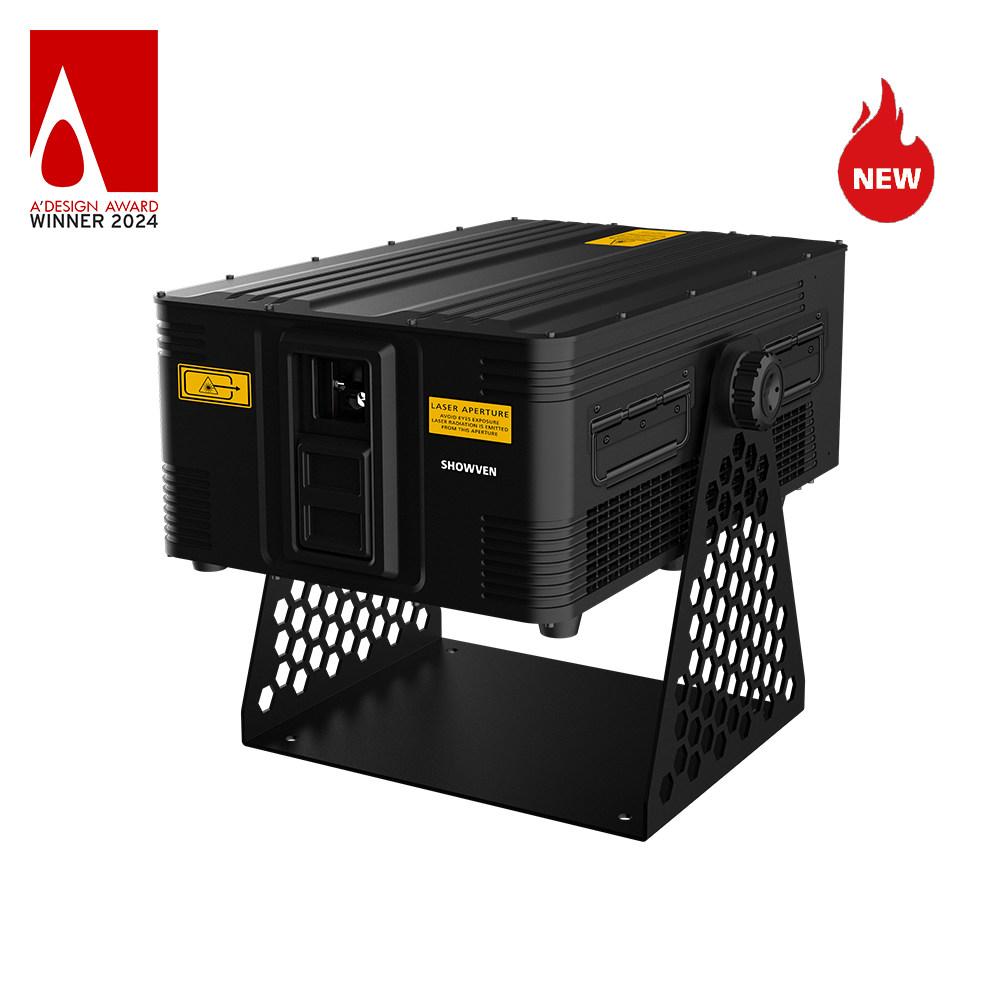
Let’s look forward—comparative, not hype. The core upgrade is not only brighter diodes. It’s brains at the edge. Fixtures that host edge computing nodes pre-render frames, optimize point spacing, and trim path length before the galvos move. That lowers latency in the control chain and keeps corners crisp. Modern power converters with better efficiency keep voltage rails steady at transients, so long sweeps hold color and power. Safety shutters and interlocks now self-test, and scan-fail monitors catch drift fast. When you pair this with a programmable laser light projector, you gain tighter sync with PTP timecode and smoother fades across a wide stage—small parts, big lift.
In practice, the comparison is clear. Legacy rigs rely on central show PCs to push ILDA frames; every network hop adds delay. Newer systems distribute logic, so frames are cached near the diodes. Less travel, less jitter. Old drivers pulse at low PWM resolution and band the color; new drivers boost dynamic range at the same watt count. Beam paths that once needed a wide safety margin can now run closer to scenic edges because tracking is more stable (and safer). It’s not magic. It’s better math and thermal design—funny how that squares with “wow.”
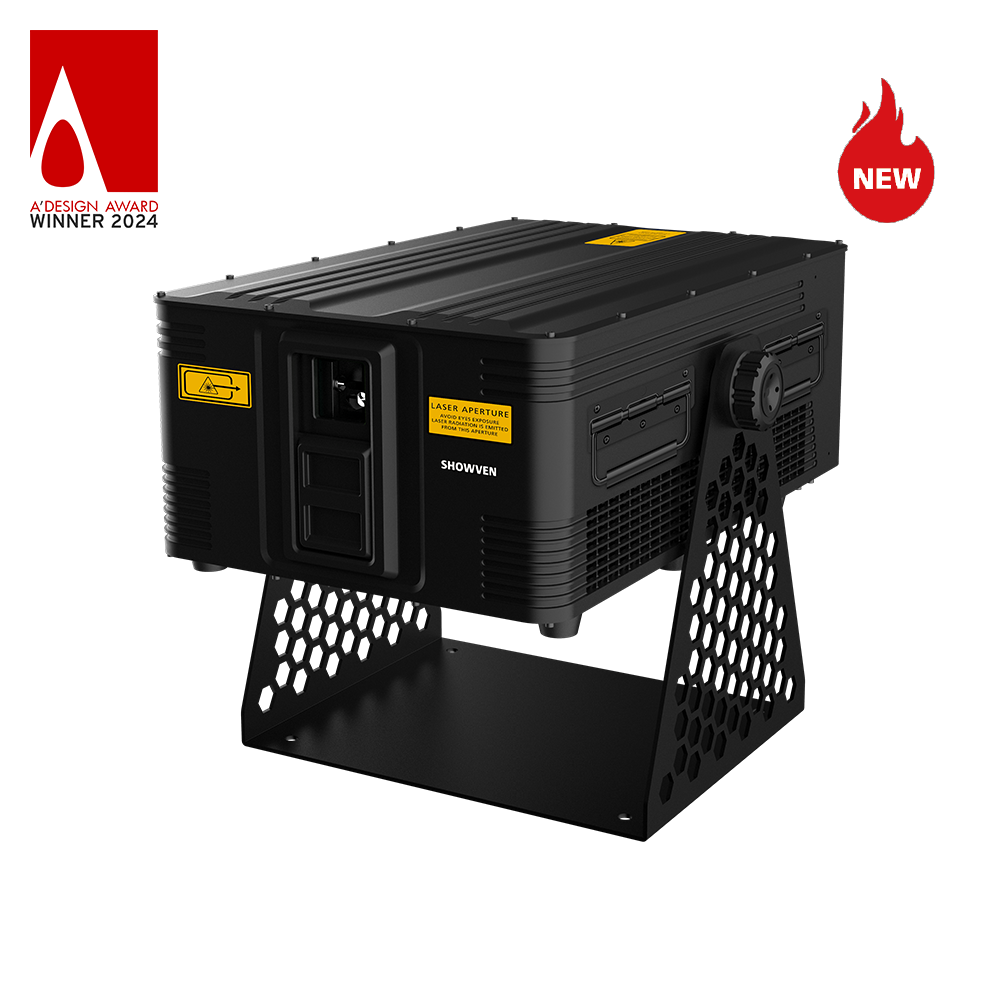
Before we close, here are three practical metrics to judge any solution, no matter the brochure. First, beam quality: check measured divergence and stability across distance, not just brightness. Second, control timing: ask for end-to-end latency in milliseconds with scan speed stated (e.g., kpps at a known angle). Third, reliability under load: request logs on thermal behavior of drivers and power converters during full-show duty cycles. These numbers are the quiet edges that make memories. For deeper exploration and technical baselines, see resources from trusted makers like Showven Laser.