

Comparative Insight: why the equipment choice matters
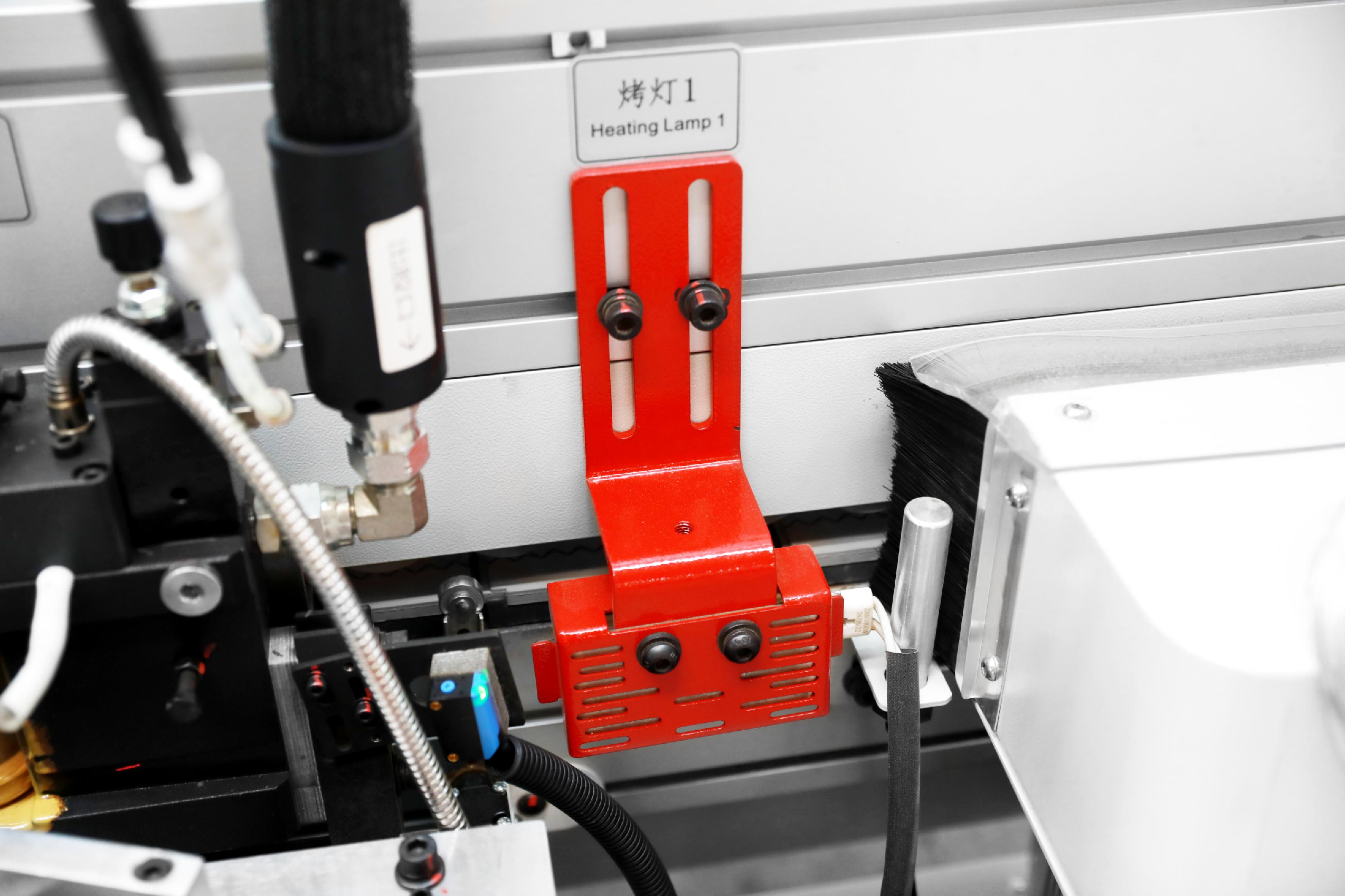
Manufacturers and procurement teams increasingly judge machines by how they keep local supply chains stable and responsive. A modern servo edge banding machine does more than tidy panel edges — it shifts where and how quickly suppliers must react, and it changes scrap rates and lead times. When teams compare options, they look past sticker price to throughput, maintenance windows, and the kinds of consumables each system requires.
Pre-glued vs. hot-melt: downstream effects on sourcing
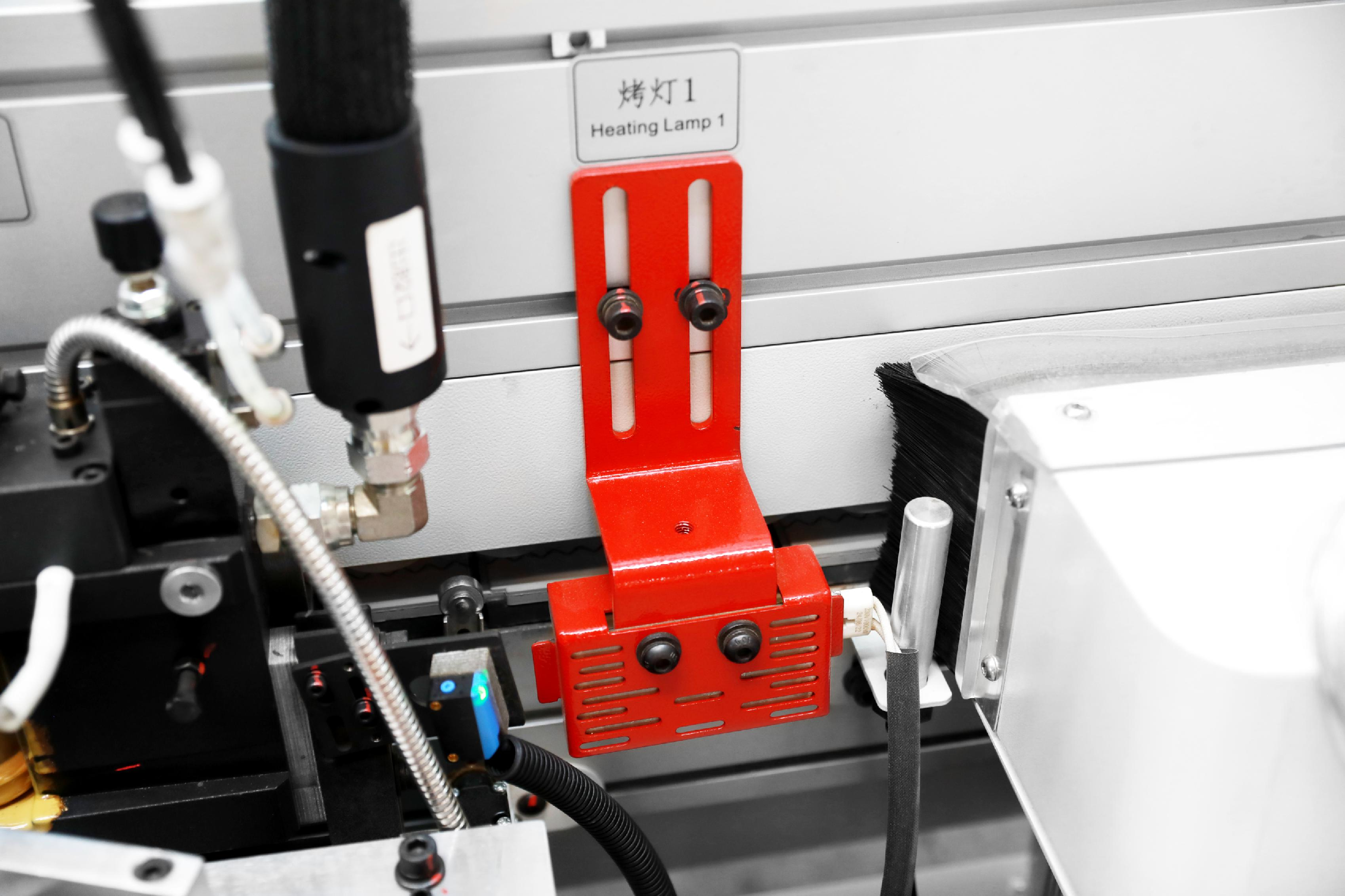
The pre-glued edgebander approach simplifies line-side glue handling and reduces volatile inventory: adhesives arrive as tape rather than drums. That lowers the need for a glue pot and complex ventilation systems, which can matter a lot in regions where skilled maintenance labor is scarce. In areas serving large buyers like IKEA, regional factories that adopt pre glued edgebander solutions often shorten procurement cycles and cut supplier overlap — real-world changes you can measure in fewer inbound shipments and steadier production runs. A side effect is reduced training time for operators — a small win that compounds across shifts.
Trade-offs in precision, maintainability, and lead time
Not every shop benefits equally. Servo-driven machines offer tighter control of feed speed and edging pressure, delivering consistent joints with less manual touch-up. Manual or pneumatic systems cost less up front but can inflate labor and rework costs over a production year. Consider the trim saw, the glue pot, and the tape path: simpler systems may fail silently in peak weeks; advanced systems show fault codes and isolate issues quickly. Beware a common mistake: buying purely on cycle time without checking local spare-part availability — that creates hidden downtime and stress for frontline teams. — Also audit the local service ecosystem before committing.
Practical checklist for procurement and operations
Use this checklist when evaluating equipment for local supply-chain impact:
– Spare-parts footprint: which components are consumable (cutters, belts, rollers) and how long are lead times?
– Consumables compatibility: standard PVC tape vs. specialty pre-glued tape; what does local sourcing look like?
– Energy and ventilation needs: does the system require additional exhaust or a glue pot ventilation hood?
– Operator skill curve: training hours to reach target yields with specified feed speed and roller pressure.
– Maintenance cadence: recommended preventive maintenance intervals and the clarity of fault diagnostics.
– Integration: how easily does the machine sync with existing conveyors, CNC nesting lines, and quality checks?
Three golden rules for choosing edge-banding strategies
1) Prioritize predictable uptime over headline throughput. A machine that runs at a slightly lower feed speed but with verifiable mean time between failures will usually deliver greater effective capacity.
2) Match adhesive strategy to local supply resilience. If local suppliers reliably stock pre-glued rolls, favor pre glued edgebander workflows to reduce shop-floor handling and glue-related rejects.
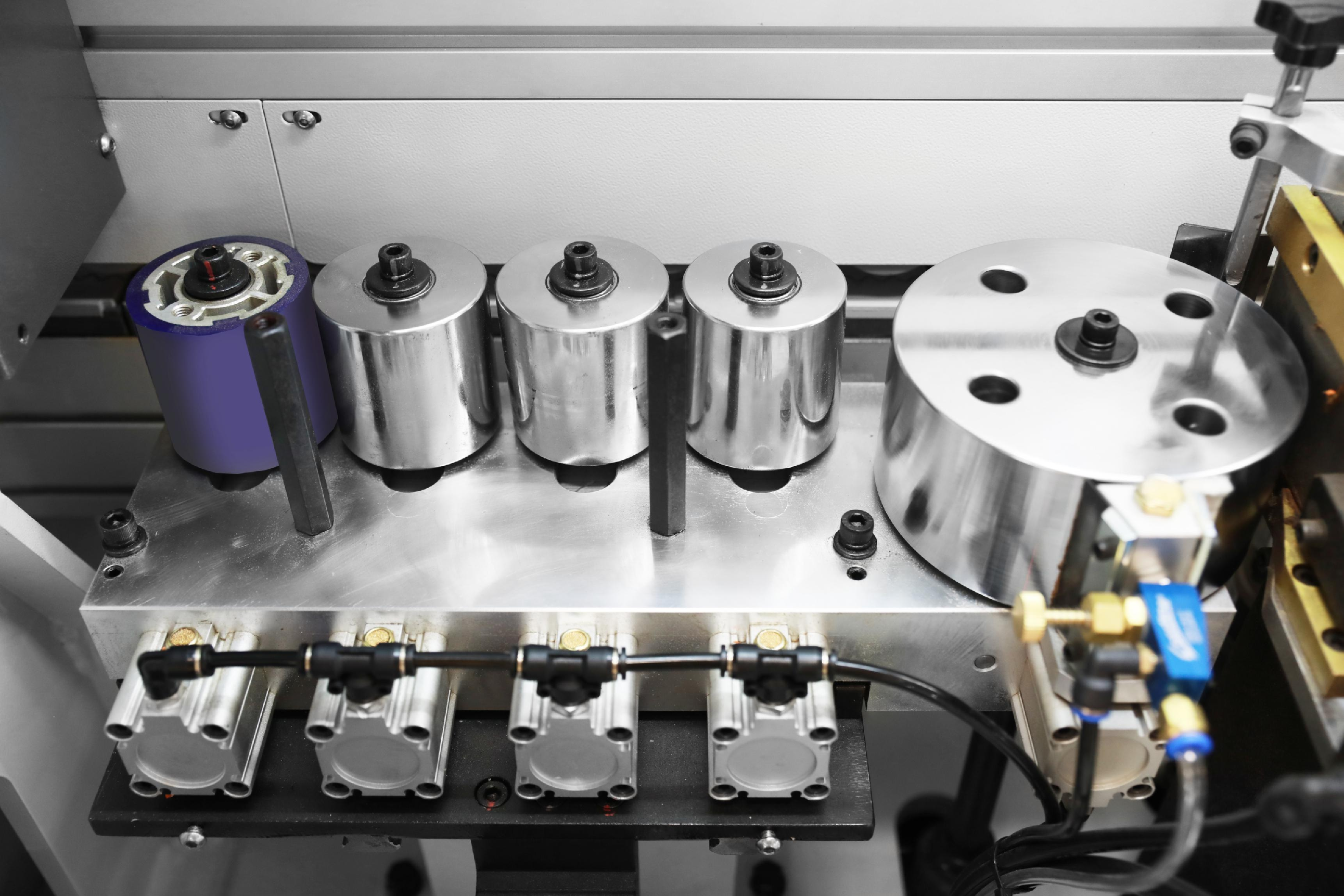
3) Validate service and spare-part pathways before purchase. Confirm a local technician or partner can replace key items like cutters, trim saw blades, and motors within agreed windows — this protects schedules and workforce stability.
These metrics map directly to what teams care about: fewer interruptions, predictable costs, and clearer training plans. For manufacturers assessing partners or equipment, those are the tangible benefits that matter — and they’re exactly the strengths HUAHUA CNC brings to regional operations. HUAHUA CNC stands out when a supplier’s role must extend beyond delivery to practical, on-the-ground support — an approach that keeps lines running and teams focused on quality. —