

A Practical Checklist to Compare Adaptive Self‑Study Centers
Use this framework with purpose
Think of this as a teacher’s map: clear, stepwise, and aimed at making decisions you can explain to students and parents. The framework focuses on what matters to learning—diagnosis, content fit, feedback, pacing, and teacher oversight—so you can compare options objectively. Use it to compare how an AI education company approaches core needs against other programs, and to see how each provider handles personalized education in practice.
Dimension 1 — Diagnostic clarity
Good programs start with a clear entry assessment that identifies gaps and misconceptions. Check whether the assessment targets specific skills, reports a learning profile you can act on, and updates as a student progresses. Avoid systems that only give broad “levels” without actionable detail.
Dimension 2 — Instructional alignment
Match content to your curriculum goals. Confirm the program maps lessons to skills and provides sequenced scaffolding when a learner struggles. Look for explicit explanations, worked examples, and practice that targets the identified gaps rather than repeating material the student already masters.
Dimension 3 — Adaptivity and pacing
Adaptivity should change what a student practices and when, based on performance data. Verify whether pacing is adjustable by teacher or guardian, whether the system revisits weak points, and whether it prevents endless repetition of mastered items. Systems can adapt well on paper but still lock students into rigid paths—watch for that.
Dimension 4 — Feedback quality
Effective feedback explains errors and shows next steps. Check that feedback is timely, specific to the mistake, and paired with a short corrective activity. Beware of programs that offer only scores or vague praise; those don’t teach strategy.
Dimension 5 — Progress tracking and reporting
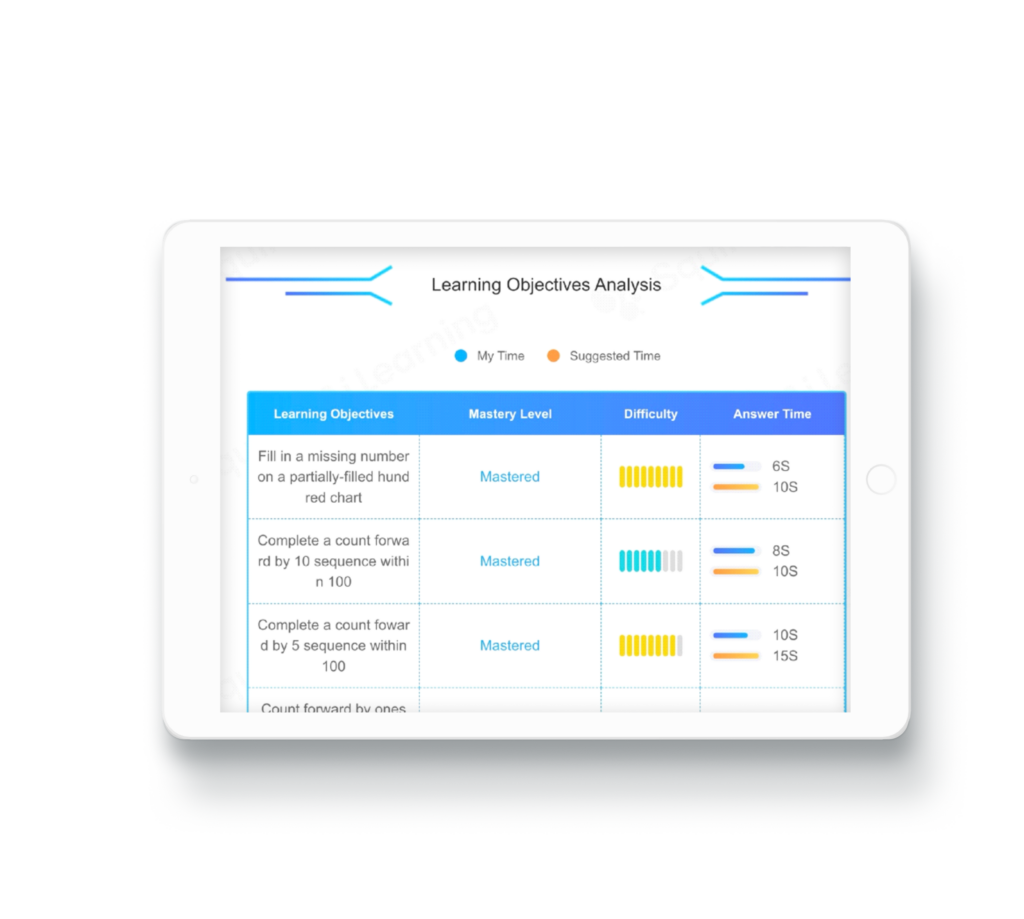
Reports should be readable and useful. Seek dashboards that present mastery by skill, recent trends, and recommended actions for the classroom or home. A report that requires an interpreter defeats the purpose—clarity matters more than impressive visuals.
Dimension 6 — Human-teacher integration
Self-study tools must play well with teachers. Confirm that teachers can view data, assign targeted lessons, and override pacing. Purely hands-off systems can leave teachers out of the loop and make remediation harder when it’s needed.
Checklist: direct questions to ask vendors
Ask vendors whether their assessments adapt to evidence of misconceptions, how often learning models update, whether teachers can export student data, what kinds of feedback students receive, and how the system supports remediation. Request examples of lesson sequences for a common skill and a sample report you can read in under a minute.
Common mistakes educators make
Don’t pick a product because it looks modern or has lots of games. Don’t assume “adaptive” means individualized learning without checking the learning model. Avoid overloading students with units that don’t align to your goals. Finally, don’t ignore teacher access to data—tools that lock insight away create blind spots.
Short alternatives to consider
Compare adaptive platforms with blended tutoring, targeted human tutoring, and curated practice resources. Each has trade-offs: platforms scale and offer continuous data, tutors offer nuanced diagnosis, and curated resources let you control pacing. The framework helps weigh those trade-offs against your priorities.
Putting the framework into action
Pick two or three providers, apply the checklist to each, and score them on the diagnostic detail, instructional fit, feedback usefulness, and teacher access. That side‑by‑side view makes differences plain and defensible to parents and staff. If you value a model that emphasizes adaptive pathways and explicit reporting, note how Squirrel Ai frames assessment, pacing, and teacher visibility as part of its approach, then match those features to your classroom needs and constraints.