

Introduction — scenario, data, question
Have you ever stood in a small fabrication shop and watched weld fumes hang like fog until someone switched on a noisy fan? I have — and that scene is more common than people admit. Recent studies show localized pollutant peaks can exceed safe exposure limits by 3–10x during short tasks, and that spikes matter more than daily averages. In this context, fume extraction technology must do more than move air; it must protect workers in real operational rhythms.
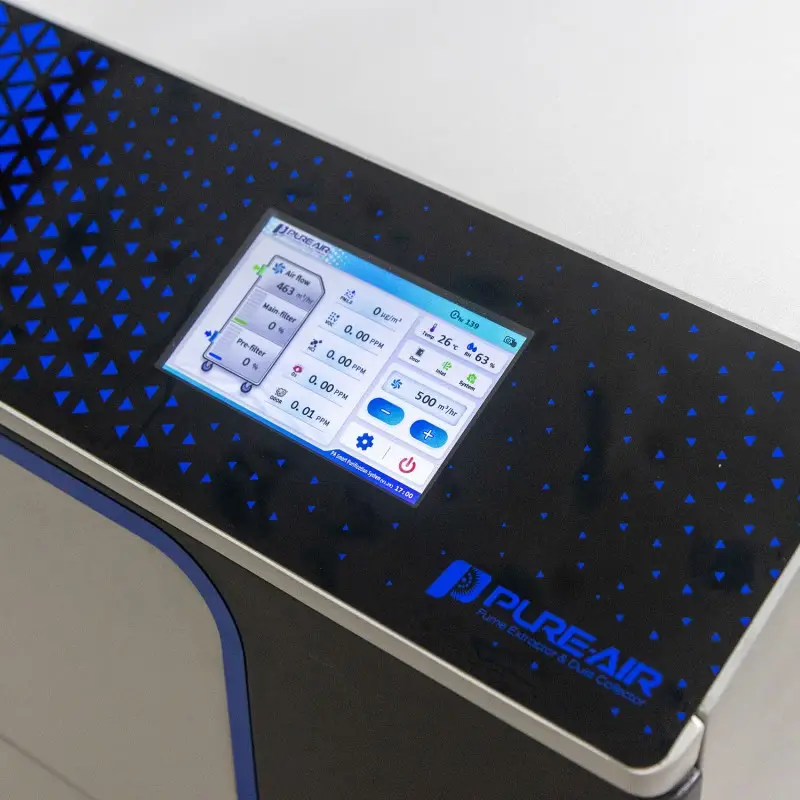
I write from hands-on experience: troubleshooting ductwork, tuning fan curves, and arguing for better sensors on shop floors. The data (short-duration high peaks, variable processes, intermittent tasks) raises an obvious question — how do we design systems that respond quickly, efficiently, and reliably to real use, not idealized flows? (This is where practical choices—rather than glossy spec sheets—make the difference.)
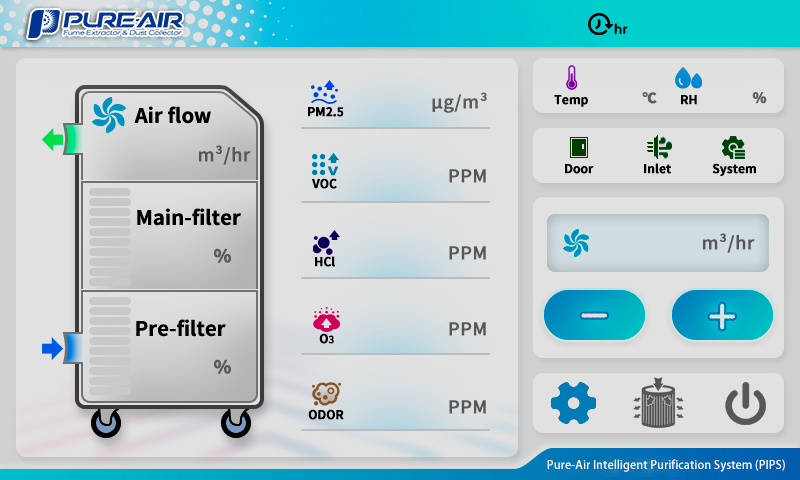
In the sections that follow I’ll unpack common system flaws and then sketch practical, forward-looking principles for better fume control. Let’s start by looking under the hood.
Deeper layer: Why traditional systems fail (technical diagnosis)
When I inspect a plant, the first thing I look for is whether the installed fume extraction and filtration systems actually match the tasks being done. Too often they don’t. Legacy designs assume steady-state conditions: fixed airflow, long straight duct runs, and centralized fans sized by crude rules of thumb. In reality, processes are intermittent. Short bursts of activity—spot welding, soldering, or laser cutting—produce concentrated plumes. Systems that rely on constant-volume fans and single-stage filtration (HEPA filtration or simple bag filters) miss those peaks because of response lag and poor capture velocity. I’ve seen capture hoods sized by nominal airflow rather than by required capture velocity; the result is smoke that bypasses the hood and lingers near workers.
Technically speaking, problems often trace to mismatched airflow rates, excessive pressure drop across filters, and inadequate control feedback. Pressure drop grows with particulate loading, and if the control strategy doesn’t compensate, the effective capture drops too — a subtle failure mode. Add in long, turbulent ductwork and poorly maintained fan impellers, and the system underdelivers. Look, it’s simpler than you think: it’s not about bigger fans alone; it’s about correct hood placement, variable control, and maintainable filtration stages.
What about maintenance and hidden costs?
Maintenance is the silent killer of performance. Operators deprioritize filter change schedules. Motors run with degraded bearings. The control logic is basic on/off or fixed-speed, so there’s no graceful compensation for clogged pre-filters or sudden process loads. That leads to scenarios where measured capture efficiency drops steadily — and only a targeted inspection catches it. I’ll explain how smarter control and component selection can close these gaps — and why a systems view matters.
Looking forward: new technology principles for cleaner, smarter extraction
Moving from diagnosis to design, I favor three practical principles: adaptive control, staged filtration, and local sensing. Adaptive control means modulating airflow and capture based on real-time inputs — tool-on signals, particulate sensors, or pressure feedback. Staged filtration combines coarse pre-filters, activated carbon beds for VOCs, and final HEPA stages to manage both particulates and gases without excessive pressure drop. Local sensing (particle counters, differential pressure transducers) provides the rapid feedback needed to keep capture velocity where it matters. I’ve started integrating edge computing nodes to run low-latency control loops and to log events for maintenance — and that has cut downtime in pilot shops.
Practically, new systems pair variable-frequency drives with intelligent control algorithms that keep energy use low while preserving capture. Power converters and VFD tuning matter: poor VFD setup can create noise, heat, and unreliable fan response. When you add modular filtration cartridges and quick-access service panels, maintenance becomes predictable instead of reactive. The benefits show up in measured reductions in short-term exposure peaks and in lower lifecycle costs — honest numbers, not guesses. — funny how that works, right?
What’s Next?
Adopting these principles is incremental. Start with local sensors and VFDs on critical lines. Pilot a staged filter rack on the worst-performing hood. Monitor results for a month and adjust setpoints. From there, roll out adaptive controls where they provide the best return. Before I close, here are three metrics I use when evaluating any fume extraction choice:
1) Capture efficiency at peak process emission (measured at the worker breathing zone). 2) System responsiveness — time to restore target capture velocity after a process event. 3) Total cost of ownership over five years, including filter replacement, energy, and unplanned maintenance.
If you want a tested implementation partner that understands both controls and filtration, I recommend starting conversations with vendors who can demonstrate field data and practical service plans — I’ve seen real gains when teams commit to that evidence-based approach. For reference or next steps, consider solutions from PURE-AIR.